Category Archives: Safety Tips

Avoiding Getting Stuck in Dirt, Sand, or Snow

Avoiding Getting Stuck in Dirt, Sand, or Snow

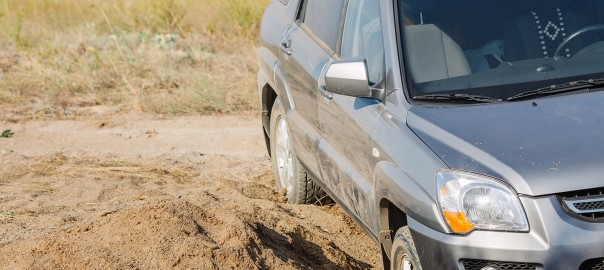
Sometimes it’s simply necessary to drive on other types of surfaces besides a perfectly paved highway or road. And we wouldn’t ever want to change that! It’s one of the adventures of driving, and great pleasures that these amazing transportation devices allow us to experience. However, this pleasure can quickly turn to agony and stress when your vehicle gets stuck in surfaces like snow, sand, dirt, or mud – especially if it’s in the middle of nowhere. Here’s a guide to how to avoid getting your car stuck in these substances, as prepared by the towing experts at Towing Chicago.

Read More →

Common Reasons for Semi Truck Roadside Assistance

Common Reasons for Semi Truck Roadside Assistance

Drivers of semi trucks are perhaps the most at risk drivers out there; this is due to the massive size of semi trucks, and the unique difficulty in delicately maneuvering these giant metal beasts. Semi trucks are more vulnerable to mechanical issues that affect smaller sedan style cars much less commonly – and when they break down, it really sucks for the driver, since they commonly are towing cargo with a specific delivery time. Here’s a guide, as prepared by the truck towing experts at Towing Chicago, as to the most common causes of semi truck roadside breakdown that we respond to.

Read More →

Heavy Machinery Moving and Towing

Heavy Machinery Moving and Towing

If you own heavy machinery that suddenly breaks down, or requires safe transport, you will require the assistance of a professional towing service like Towing Chicago. The amateur de-installation, moving, relocation, or transportation of heavy machinery is incredibly dangerous – which is why only licensed experts at moving and towing heavy machinery should be enlisted to carry out the job. Here’s a guide to the important aspects of moving and towing heavy equipment – including columns, pressure vessels, cranes, bulldozers, tractors, and really, any machinery of massive weight and size – as prepared by the towing experts at Towing Chicago.

Read More →

Driving Traction Guide

Driving Traction Guide

Towing Chicago regularly provides towing service for pickup trucks, vehicles that boast great power that’s often bolstered by strong traction. Factors like open differentials are essential for safe vehicle turning especially in rainy or snowy weather – you don’t want a single wheel to keep spinning when the other three wheels have strong traction. Traction assistants are offered by many car manufacturers through anti lock braking systems that keep wheel spinning at the same speed. Here’s some of the essential traction aspects that you will need when looking for safe vehicles.

Read More →

Road Merging Safety Tips

Road Merging Safety Tips

The expert towing service providers at Towing Chicago know all the in’s and outs of the various issues that cause drivers to require towing service. Many accidents that cause car’s to end up needing towing service are a result of poor merging and lane switch practices. Here’s a list of essential tips to safely switch or merge lanes.

Read More →

Common Breakdown Causes

Common Breakdown Causes

Here at Chicago Towing we have been helping to rescue people from stalled cars or car breakdowns for years. In this  brief blog post our experts will detail what some of the most common breakdown causes are, so you can be better prepared.


Flat Batteries

If your battery is faulty it’s poor electrical connections will cause breakdowns. Whenever you get your car serviced, have the garage make sure to check the battery connections for secure placement, as well for evidence of corrosion or battery acid leaking. If you don’t often make long car journeys, your battery wouldn’t have charged too much – try charging it overnight around every 2 weeks to keep it running longer.


Key Loss

If your car keys are lost, you won’t be able to restart it which is an issue when parked at home but especially when you’re in the middle of a car trip on the road. If you lose your key, contact an authorized expert locksmith technician who can help furnish you a brand new working key.


Tire Damage

Make sure to check your tire depth tread, and if they are worn unevenly, the wheels could be misaligned. Make sure that your spare wheel has tread and is fully inflated and ready for use. If you use a car jack, make sure it’s in good condition before going on the road, as well as any wheel removal or installation tools, and a lockable wheel nut adapter. If you are driving with heavy loads, make sure to adjust your tire pressure to the change in the weight of your vehicle – look in your car handbook for custom instructions on how to do so.


Alternator Issues

If you have constant battery issues and your headlights dim when your engine is idle, it will likely be an issue with your car’s alternator. If the ignition warning light comes on and the temperature of the engine heats up quickly, the alternator and water pump belt could be broken, which is a very serious and dangerous issue. If this is happening, stop and turn off your engine and call a licensed towing company.


Clutch Cables

If your clutch cables are under major stress they can break, causing major problems. You can notice if this is an issue if you feel the clutch feels different when the pedal is pressed. If the clutch cable breaks, make sure to pull over and give an expert towing company a call.


High Tension Leads

High tension leads carry electricity to the spark plugs, but they can decay with age, making it really hard to start up your car. It can help to use dampness-repellent sprays like WD-40, but it really is the best thing to do to contact an expert car repair company to look over the entire ignition system to test to see if they can solve any of the problems.

Signs you need new brakes

Signs you need new brakes

We all know how essential vehicles are for our everyday lives – and we all know how essential brakes are for a safely operating vehicle. By periodically  having your car checked up on by a licensed towing and vehicle maintenance company, you can ensure its lasting durability. Brakes often need replacement after some time – and the team at Chicago Towing have prepared a list of signs and signals that it’s time to replace your brakes.


Grinding or Screaming Brakes

If your brakes make a screaming or grinding noise when you slow down, you likely need brand new brake pads. It’s absolutely essential to correct this before the sound gets worse, and the brakes get even more dysfunctional. If you wait too long to do so, you can really damage the braking system and put your life in danger every time you drive.


Worn Down Brake Pads

If your brake pads are worn down, it’s time to replace your brakes. You want to be able to visibly see the brake pads of your car through the spokes of the wheels – and if the pads are less than a quarter inch thick, it’s time to replace them.


Vehicle Edging to the Side

If your vehicle is edging to one side when you press on the brakes it’s a sign that the brakes are unevenly worn down, or possibly a malfunction with the brake fluid. If you notice this disfunction, call a licensed expert to help tow and possibly repair your car.


Vibrating or Shaking Brake Pedals

If the brake pedal of your car starts to shake or vibrate when you press it with your foot, you need to get your car inspected by an expert. This sort of vibration is caused by worn down brakes, and should be corrected right away to avoid wearing the brake pads completely, which can cause even more extensive damage to the brake mechanism itself.


Towing Brake Problems

It’s safer to get your car towed, and then repaired, then to attempt driving with malfunctioning brakes. It’s always better to be cautious; so if your brakes are acting funny, contact the expert towing team at Chicago Towing right away for instant, on-the-spot service.

December Parking Advice in Chicago

December Parking Advice in Chicago

With the Christmas season fully in effect, Chicago traffic can be a bit overwhelming. Between a swelling influx of tourists and Chicagoans coming home to visit family, and the hectic crowds embarking on holiday shopping expeditions, being a driver in the Windy Season can be somewhat more difficult around this time of year. Malls and parking lots are full of people; and although most people don’t know this, parking lots are actually very common settings of traffic accidents – from rear enders, to even hit and runs. Additionally, crowded distracting parking lots are perfect environments for trouble makers like pickpockets, carjackers, thieves, and other vandals. In order to keep yourself, your vehicle, and the people you love safe – follow Towing Chicago‘s official Chicago parking safety tips.


  • Avoid shopping (and parking) at the most busy times of day. This is usually at weekday nights and weekends.
  • Consider using valet parking – this way you don’t have to search for a space, and you won’t have to worry about whether your car is staying safe.
  • Drive slowly in parking lots, and always use your turn signal.
  • Never park in tight parking lots – this way you can avoid scrapes and bumps.
  • Park farther away from buildings to avoid the chances that shopping carts or cars backing up might dent or smack your vehicle.
  • While walking to your car or backing out, make sure to be aware of other cars that are backing out or in at the same time.
  • Always park in a highly visible area that’s brightly lit.
  • Roll up your car’s windows and make sure all doors are locked.
  • Always keep the number of a reliable service like Chicago Towing on hand.
  • Always have your keys on hand while you’re walking to your car – as well as your phone, just in case you need to quickly dial 911.
  • Never leave valuable possessions like expensive clothes or electronics in a visible area of your parked car while you’re away from it.
  • When you’re walking to your car, look around for any suspicious people lingering inside the area.
  • If you feel unsafe, ask a security guard or nearby person to escort you to your car.
  • Put all of your shopping bags inside the trunk, rather than conspicuously in the back seat of the car.
  • Lock the car doors as soon as you enter the vehicle.

Dogs and Car Travel

Dogs and Car Travel

If you’re the lucky owner of a dog, you might feel at odds when embarking on a family trip. Travel can be stressful for dogs, but with the right preparation, it can be both safe and fun. Here are 10 tips for safely driving along with your canine companion.

Safe Securing

Make sure that your dog is secure in a ventilated carrier. Many carriers are available, from wire mesh or plastic ones, to carriers with soft sides. Just make sure it’s large enough for your dog to fully stand, lay down, and turn around inside. We recommend allowing your pet to get comfortable with being inside the carrier earlier than right before you leave on your trip.

Training

Get your doggy ready for long trips by taking them on short drives in the crate, making the drive longer each subsequent time.

Feeding

Make sure to feed your pet at least 3 to 4 hours before you leave. It’s best not to feed them during the drive.

Never leave dogs alone in a car

Never leave any pet (or child for that matter) by themselves inside a parked car. During hot days, parked cars become like ovens, and in cold weather, they become like freezers.

Safety Kits

Make sure to bring your pet’s travel papers, medicine, food, water, bowl, leash, poop scoop, plastic bags, grooming tools, first aid kit, and any familiar toys that may make your dog feel more safe and comfortable.

IDs

Make sure that your dog has a microchip with their information embedded and always wears a collar with your home address and number on it, as well as any important contact or medical information.

Window Safety

As fun as it looks ,never let your dog stick their head out the window while you drive. Keep the dog in the back seat, inside their box, with their harness snugly and safely attached to a seat belt.

Cross State Safety

If you’re traveling to a different state than your home state, make sure to bring along any vital medical information for your dog, including rabies vaccination records.

Water

Bring your own tap water in jugs, or simply buy bottled water. Additives inside local water might hurt your pet’s stomach.

Accident Proofing

We recommend, especially if you’re traveling with your dog in front, to invest money in floor liners made of rubber and seat covers that are waterproof – just in case they pee. These are all available at the majority of car accessory stores, or pet supply stores.