Road Merging Safety Tips

Road Merging Safety Tips

The expert towing service providers at Towing Chicago know all the in’s and outs of the various issues that cause drivers to require towing service. Many accidents that cause car’s to end up needing towing service are a result of poor merging and lane switch practices. Here’s a list of essential tips to safely switch or merge lanes.

Read More →

Motorcycle Maintenance Issues

Motorcycle Maintenance Issues

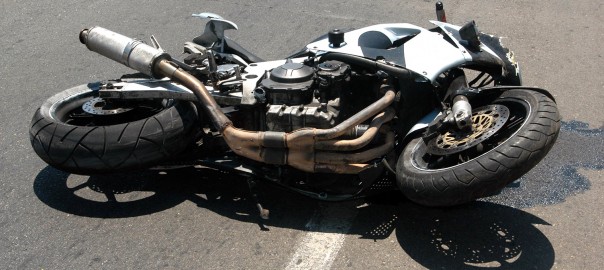
If you’re the proud owner of a motorcycle you understand the importance of maintenance. There’s a few aspects of motorcycles that need to be regularly checked to ensure that your bike will continue efficiently running. Here’s a guide to the essentials of the potential issues with your motorcycle you need to regularly check up on for optimal performance, as prepared by the motorcycle towing experts at Towing Chicago.

Read More →

Safety Tips for Waiting for Towing in the Snow

Safety Tips for Waiting for Towing in the Snow

Inline image 4

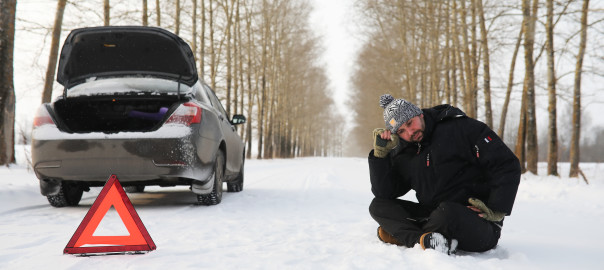
Now that it’s December, the towing experts at Towing Chicago are regularly fielding calls regarding our expert Windy City towing services. Countless vehicles get stuck or break down in the snow every year – and we thought it was important to share the essential safety protocols of this scenario with our loyal customers. Here’s what to do if you’re waiting for towing in the snow.

Read More →

Best practices for hiring a tow operation

Tow Truck Facts you may not know

Displaying Depositphotos_174149912_originalB.jpg

Tow truck drivers have a hard job – putting their lives on the line every day to provide assistance to broken down vehicles when drivers need it most. Towing can also be very complicated – and the entire process is always made easier when customers understand the best practices to follow when hiring professional Chicago Towing services.

Read More →

Most dangerous Roads in the USA

Most dangerous Roads in the USA

Lot’s of people like to embark on Autumn road trips in order to take advantage of cheaper hotel rates and a less maddening amount of traffic. Here’s a guide to some of America’s most dangerous roads, as prepared by the highway gurus at Towing Chicago, so you can make sure that you’re extra careful in case you find yourself driving on one of the below ominous stretches of pavement.


California’s State Route 138

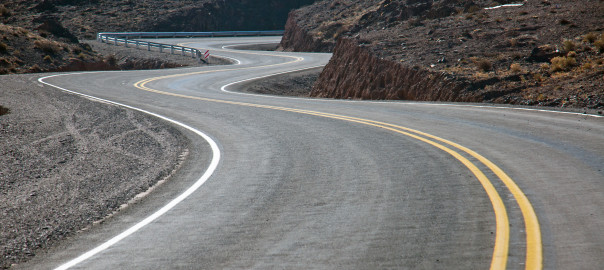
Known as Death Road, Highway 138 stretches from the mountains of Interstate 15 through the San Gabriel Mountains to Palmdale. The majority of its stretch is on a twisting, non divided 1 lane highway with tiny narrow shoulders and huge drop offs. It’s infamous for head on collisions – leading us to recommend to use turnout areas to allow faster traveling cars to safely move past you.


Colorado’s Highway 550

Called the Million Dollar Highway and constructed during the late 19th century, this 25 mile road leads up from Ouray to the top of the San Juan Mountains Red Mountain Pass. It carries huge inclines, hairpin turns, steep drop offs, and thin nails – all with minimal guardrails or safety shoulders. Beginning in October, snow and avalanches add another level of risk to traversing this highway. We recommend using low gears when descending this steep mountainous road while continually braking your engine to keep your car moving slowly, steadily, and safely,


Florida’s U.S. Highway 1

This may well be the USA’s most dangerous road. Moving across the east coast of Florida with beautiful views of 13 separate counties throughout the Florida Keys, U.S. Highway 1 has been home to over 1000 deaths. We stress the importance of paying close attention to the road rather than the enchantingly beautiful scenery, as by paying attention to ocean views, you’re being a distracted and dangerous driver. Instead, wait until you see an official scenic lookout areas where you can park and take in the view safely.


Montana’s Highway 2

This country road runs from North Dakota to Iowa is pretty desolate, but still very dangerous. Since it’s usually so empty, drivers usually drive extra fast on it – and since it’s in the middle of nowhere, if there’s an accident, ambulances simply won’t arrive for quite a long time, over an hour on average actually. When driving on these visually blighted and empty highways, utilize your car’s cruise control at a safe speed and don’t let the landscape hypnotize you out of your driver’s alertness.

Roadwork driving tips

Roadwork driving tips

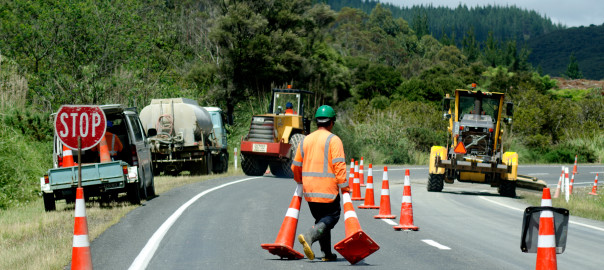
Driving during roadwork can be complicated and dangerous – with over 200,000 annual injuries being related to accidents in the vicinity of roadwork or construction areas. Here’s some essential tips prepared by the driving experts at Towing Chicago on how to drive safely in roadwork areas.


Never Tailgate

Tailgating is really dangerous, with rear-end crashes being the most common kind of accidents that happen in roadwork zones. When you go into an area with roadwork, slow down and keep a safe distance between your vehicle and the one in front of you.


Don’t Get Distracted

There’s a level of chaos to roadwork zones, so when you’re driving in one stay focused on your driving. This means don’t check your phone, the radio station, eat, drink, or even engage in conversation. Instead, stay vigilantly aware of brake lights in the cars in front of you, keep both of your hands on the steering wheel, and pay 100% attention to your drive.


Follow the Speed Limit

Since roadwork areas have either rough conditions or construction workers moving through it, the only way to stay safe when driving in one is by obeying the stated speed limit. Anything higher than this is likely to not only be dangerous, but get you a traffic ticket.


Headlights

Make sure to keep your headlights on so both workers passing through and other drivers have an easier time in spotting you in your vehicle.


Switching lanes and merging

Never try to cut the lane closure barrier line at the last minute as this is an incredibly dangerous maneuver. Keep the traffic flow moving by staying abreast of any lane changes that might be happening when you see signs posted that indicate lane closures and merging. Once you’re inside a road work area, only switch lanes when the signs or pavement markings say that it’s necessary.


Stay Calm

Even if you’re in a rush, running late, missed your exit, or annoyed from being in a traffic jam, make sure to stay calm and drive with attention to detail and care – this way you can stay safe while driving and ensure that everyone around you stays safe too.

Averting Automobile Heat Damage

Averting Automobile Heat Damage

Here’s Towing Chicago’s expert guide on what to never, ever leave inside a hot car, and how to avoid the damage that can come with the extreme heat generated inside automobile interiors.


Protecting the Inside of Cars

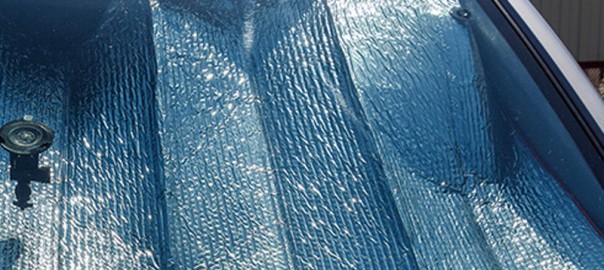
The greenhouse effect causes your dashboard and carpet to absorb sunlight, trapping heat inside your car and causing it to increase exponentially. Try parking in the shade, tinted windows, or shades for your front windows. As a general rule that should never be diverted from, never leave a pet or a child inside a hot car.


Hydration

Whether your car uses oil, transmission, power steering, or brake fluid, your car is burning fluid to keep it cool. Make sure your car consistently has fluid topped off to its manufacturer’s specifications, so check more frequently if you’re driving in hot areas. Just make sure not to take off the radiator cap when the engine is hot.


Tires

Make sure that tires are inflated to recommended pressures, as underinflated tires are more likely to blowout and overheat.


Car Paint

Make sure to park your car inside an indoor garage or area that’s covered as often as possible. Frequent washing of your car can avert the bleaching that comes with the sun, pollution, and road dirt – and waxing helps provide a protective layer over the paint.

Checking tire tread method

Checking tire tread method

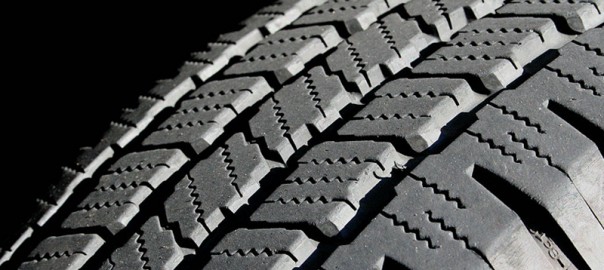
Here’s a fantastic method from the experts at Towing Chicago on how to check your tire tread using only a single penny.


The Method

  • Insert a new penny into the groove of your tire tread, with the face pointed down towards you.
  • If you still cannot see the top of Lincoln’s head, your tires are in good shape.


Do It Yourself Mechanic Techniques

Of course, you’re going to want to bring your car into an expert to get it checked out every now and then. However, there’s a few easy techniques you can utilize between visits to the mechanic to check up on your car’s status.


Lights

Check your lights out by testing low and high beams, turn signals, tail lights, dash lights, and hazard lights. Ask a gfriend to verify that your brake and reverse lights are working, or if you’re by yourself simply back on up to a wall and check out the reflection.


Oil

When the car is off and the engine is cold, remove the dipstick and wipe it clean with a rag or towel. Look at the bottom of the dipstick to find the minimum and maximum level markings. Then put the dipstick back in and pull it out. The oil should cover the stick at a point between the two marks, ideally closer to the top. If your oil is running low, top it off.