Category Archives: Local Towing

Chicago Towing is a locally based Chicago towing company dedicated to providing you with the most positive towing experience imaginable. We simplify the difficult process of towing easier for local Chicago residents with our variety of services which include flatbed towing, emergency towing, commercial towing, roadside assistance and more.

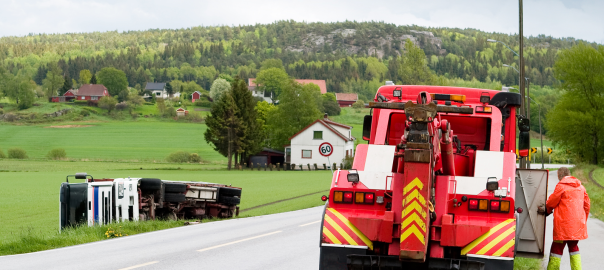
Heavy Duty Towing Safety Tips

Heavy Duty Towing Safety Tips

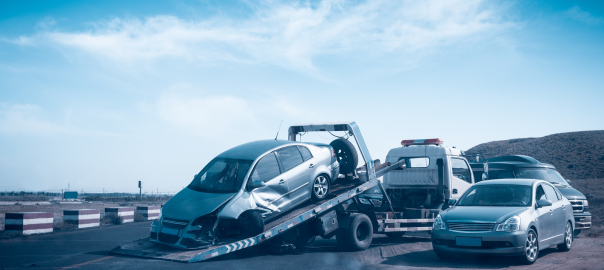
There’s variable reasons that cause a car to need to get towed. Whether you suffer an unfortunate accident in your vehicle, or if it breaks down on the highway, you should know the proper safety measures that both you and any towing specialist you may contact should take on the road, to protect your safety.

Driver Safety Tips

If you’re in the middle of driving and need to pull over to get towed, it’s absolutely necessary to follow these safety tips. First of all, move your car as far away from other cars as possible. If there’s a shoulder to the road, move onto it as soon as possible, as close to the edge as you can. Additionally, leave your hazard lights on – this is particularly important at night – so other drivers driving can see you, and also so the towing company can have an easier time recognizing you. If you have an emergency roadside kit in your car, place reflectors around the perimeter of your vehicle.

As you’re waiting for the tow company to get there, take anything that you might need (like license information, insurance records, registration, etc…) out of the car before it’s towed. It might be a few days before you see your car and you’re going to need to provide this information to the towing service during the process. While you’re waiting for the towing company to get there, make sure to wait inside the car, so you don’t put yourself at risk for the passing cars or any weather that might be occurring.

The Heavy Duty Towing Truck Safety Tips

Not only does the initial driver of the vehicle need to take safety measures to ensure the protection of their being and their vehicle’s being in the event where a towing is necessitated, but the driver of the tow truck that will transport your vehicle absolutely needs to follow safety measures.  One of their initial steps is to increase the visibility of your stranded vehicle, by placing cones and flags around the area. This is to protect both you and them from oncoming traffic.

Tow truck drivers are also required to check whether their cable lines are intact, and not damaged. They need to make certain that their truck is capable of hauling your stranded vehicle safely. This information will be verified over the phone upon your first contact. Drivers additionally have training to never unwind the towing cables all the way when they’re loading a vehicle, and to make sure that the wheel-lift is extended far enough after the loading that they can safely and easily make turns. Drivers are also trained to avoid any electrical lines, and ensure that bystanders stand a safe distance during the entire towing process. All these safety measures are completely necessary – the operation of towing requires a great deal of safety attention, and drivers for the right company are thoroughly trained in all these measures to protect both their own neck, but yours, and that of your vehicle.

21 Essential Road Trip Tips

road trip tip Chicago towing

If you’re planning on traveling through the United States on a road trip, driving without stopping has advantages – you’ll save money on hotels, have more time once you get to your destination – not to mention the sense of exhilaration you get on a nonstop drive. However, in order to stay safe and energetic, it’s integral to follow these tips to make sure your ride goes smooth.

Get a good night’s sleep before the journey

Scientific studies have shown that missing a few hours of sleep can impair your driving to a comparable level to being intoxicated with alcohol. Don’t let this happen by making sure that you get a lot of sleep the night before you leave.

Wear Sunscreen

This is a very underrated tip. If your skin is in direct sunlight for hours at a time, your skin is going to be exposed to harmful UVA rays. You’re going to need sunscreen to protect your exposed skins from getting burns. Apply liberally, and repeat when necessary.

Eat Nutritiously

Don’t just eat roadside fastfood. Instead of stopping at a drive through, stop at a supermarket, and get salad, fruit, or a hearty sandwich – rather than fried food that won’t give you the nutrition you need through your journey.

Avoid Staying at Rest Stops

Pulling over and sleeping in your car can be dangerous – and it’s illegal in some states. We don’t recommend it. Use rest stops to stretch your legs, get a snack, or go to the bathroom. Then get back on the road.

Read More →

Common Car Towing Questions

car towing company chicago

Can tow trucks tow the car backwards?

Most tow trucks can hook themselves up to the front or the back of the vehicle that’s being towed. This is actually the ideal (and most widely used) method for vehicles with rear wheel drive, although front or all-wheel drive vehicles can also be towed from the back if the car’s front can be lifted with a pulley or dolly.

Can your car get towed if you’re touching it?

Absolutely not. In order to complete the towing job safely, the tow truck driver will need you to stand away from your vehicle. If you’re physically blocking the car from getting towed, If your car is being towed due to legal injunction, and you’re physically blocking it from getting towed, the driver might contact the police to escort you away – which may result in a fine or civil charges of obstruction.

How can I prevent my car from being able to get towed by a roll-back or flatbed tow truck?

These trucks get their name from their flatbed that tilts backwards so that vehicles can get rolled on to it for transporting. These trucks usually transport strangely shaped, damaged, or large vehicles – but also commonly tow regular cars. Since the flatbed’s driver needs to position the truck directly in line with the car so that it can be winched up, you can prevent one of these trucks from being able to  tow you by parking somewhere there the flatbed truck can’t reach the front or back of the car.

Read More →

Tips for Driving in Heavy Fog Chicago

Tips for Driving in Heavy Fog Chicago

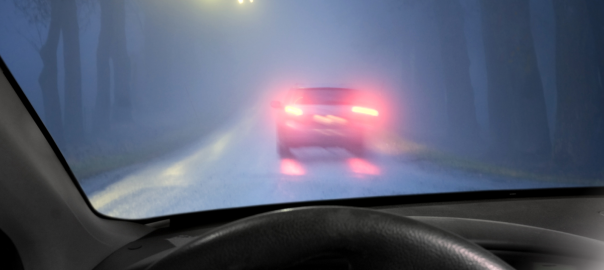
Driving in fog can be incredibly dangerous – not only does the moisture make vehicles more likely to skid, but your visibility is drastically reduced. If you find yourself having to make an automobile trip in heavy fog, try sticking to these tips – they are great safety boosters.


Use your low-beam headlights

While the seemingly obvious thing to do is use high beam headlights, this isn’t actually the best safety method, as the high beams simply illuminate the fog in front of you, making it harder to see traffic. Using your low beams light on your vehicle is a more effective way of spotting traffic.


Use the line in the pavement as a safety guide.

If the fog is exceptionally thick, try using the white line on the right side of the road as a navigation guide. Don’t look at the center pavement line, as doing so will lead you to be closer to oncoming traffic then leaning to the non-highway side.


Use your Fog Lights

If your car has specialty fog lights, you can illuminate the road in front of you, as well as making you and your car more easily spotted by other drivers. Rear fog lights can be effective in helping motorists behind you spot your vehicle’s course.


Drive Slow!

This is an essential tip. If you’re having problems seeing the road in front of you, don’t drive fast under any circumstances. Monitor your speedometer in order to regulate how fast you’re going, as thick fog that obscures the landscape around your car makes it more difficult to determine your vehicle’s velocity by sight alone.


Don’t stop – for any reason!

If you can’t see where you’re going, you may be inclined to stop on the road until the fog clears. If you need to stop, you need to find a spot far away from traffic, and make sure your lights are turned off. If you leave your lights on, it might make other motorists think that where you’re sitting is the direction of traffic, which could cause an accident.

Emergency Roadside Services

Chicago Towing Service is designed to assist you in an emergency when the vehicle you are either driving or riding and your vehicle becomes disabled in any weather conditions in Chicago, IL.

Rural, Suburban, and Urban Towing Chicago

Rural, Suburban, and Urban Towing Chicago

Towing is affected by Terrain

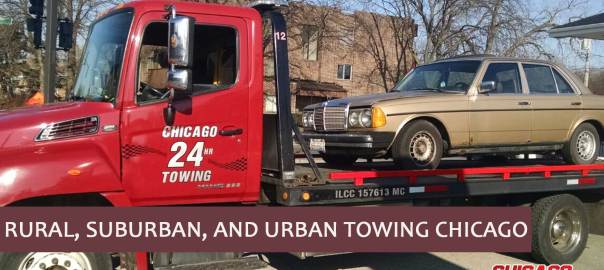
Towing is a technically complicated process. Tons of variables exist which can affect the speed and quality of any trip. Rural Towing involves traveling greater distances, and may involve travel over rocky or unpaved terrain. Sometimes special equipment is needed to travel throughout rural environments. Cell phone reception may be limited when traveling through particular terrains and climates, specifically mountains and deserts. Sometimes, for 4×4 off-road vehicles that need to be towed in rough environments full of mud or rocks, special vehicles or gear is required. Extra gear is never thought of as an optional excess – rather it’s a necessary tool to protect your vehicle, so it doesn’t incur any extra damage.

Smooth Sailing in Urban Chicago

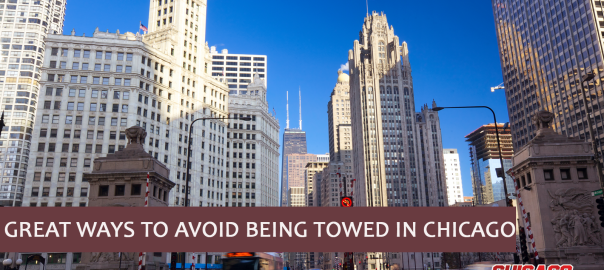
Urban towing is, by its very nature, more common than rural towing. Due to transportation infrastructure, the trips are often much faster. However, due to urban population saturation, there’s much more traffic in cities than in suburban areas. This is why our customers benefit from our servicemen’s experience with navigating the busy Chicago streets. They’re aware of all the traffic flows, patterns of commuting, and the spots that tend to get congested. Essentially, the city is their turf, and they know exactly how to get through it, as quickly as possible.

Experienced Navigators

Chicago Towing is an automotive towing company (servicing cars, vans, motorcycles, trucks, RVs, and pick-up-trucks) in the bustling city of Chicago. We serve the entire metropolitan area, from the I-90 – the Chicago Skyway, Dan Ryan Expressway that runs throughout the city of Chicago, connecting Downtown with the South Side. In this entire area, we are the premiere towing service; our experience allows us to set ourselves apart by offering the smoothest, most efficient service, regardless of if you’re in Downtown Chicago, the suburbs, the freeway, or the countryside. There’s simply nobody better equipped to handle your vehicle


8 Great ways to avoid being towed in Chicago

8 Great ways to avoid being towed in Chicago

Even if it seems like a rare occurrence, it’s actually not that rare that cars find themselves getting towed. Here’s eight great tips for avoiding ever having to deal with getting your car towed in Chicago.

  1. Try not to park in common towing spots

These spots vary from place to place – but in most areas, blocking active driveways, intersections, and curb ramps is a sure way to get towed. Many areas also have laws determining how long you can keep your vehicle street parked. It’s worth it to become familiar with the laws regarding parking, driving, standing, and stalling in your area. As a ground rule though, never park by

  • Bus Stops
  • Loading Zones (usually marked with yellow)
  • Blue Zones (if there’s not a disabled person marker on your vehicle)
  • Red zones (curbed painted Red)
  • Tow Away zones during normal commuting hours.


2. Always Read Street Signs

It’s important to read these carefully, especially when you’re in commercial areas with high traffic. Police and traffic officers tow illegally parked cars much more often, and with a much greater number in high traffic areas – which also often carry much more parking restrictions.


3. Be aware during commute hours.

During crowded evening and morning commutes, many cities bar parking on many streets. A certain parking space could be completely legal at 2pm, but would get your car towed at 3pm. You have to be aware of what the parking ordinance for that space is – even when you’re at a meter. The usual peak commute hours are from 7am to 9am and from 3pm to 7pm.


4. Call a tow company yourself.

Don’t rely on city services to tow your car if it breaks down. Call a private towing company in Chicago or roadside assistance agency yourself.


5. Pay all outstanding traffic tickets.

In some areas, cars with delinquent parking tickets can be booted or even towed – this can happen even if your car is in a perfectly legal parking space. If your car gets booted, you’ll have to pay an extra cost to remove the boot. Booting and towing, added with tickets and time penalties add up to a lot of money. You can avoid this if you pay your parking tickets.


6. Avoid getting parking tickets in the first place.

  • Set an alarm on your phone to remind you that the meter is about to expire.
  • Keep a bunch of quarters for meters in your car.
  • If it’s offered in your area, buy a prepaid parking card.
  • Mark your calendar with the street cleaning schedule and no-parking times for the areas that you frequent.


7. Keep current vehicle registration.

All police have the right to tow and potentially impound your car if your registration isn’t current when you’re stopped by a police officer.


8. Always keep your driver’s license current.

If you’re ever stopped by police while you’re driving, and your license has expired or is otherwise illegible or not current, the police have the right to tow and impound your vehicle if nobody else is available inside the car to take over the wheel.