Category Archives: Chicago Towing Tips

The Chicago heavy duty towing service experts here at Towing Chicago regularly provide roadside assistance service to vehicles.

Heavy Machinery Moving and Towing

Heavy Machinery Moving and Towing

If you own heavy machinery that suddenly breaks down, or requires safe transport, you will require the assistance of a professional towing service like Towing Chicago. The amateur de-installation, moving, relocation, or transportation of heavy machinery is incredibly dangerous – which is why only licensed experts at moving and towing heavy machinery should be enlisted to carry out the job. Here’s a guide to the important aspects of moving and towing heavy equipment – including columns, pressure vessels, cranes, bulldozers, tractors, and really, any machinery of massive weight and size – as prepared by the towing experts at Towing Chicago.

Read More →

Driving Traction Guide

Driving Traction Guide

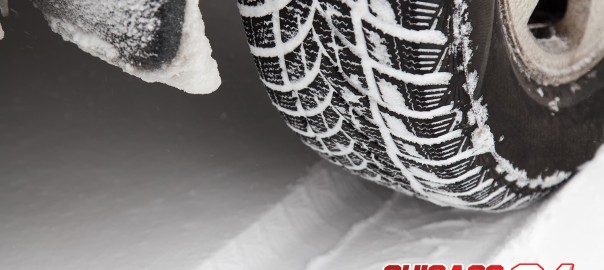
Towing Chicago regularly provides towing service for pickup trucks, vehicles that boast great power that’s often bolstered by strong traction. Factors like open differentials are essential for safe vehicle turning especially in rainy or snowy weather – you don’t want a single wheel to keep spinning when the other three wheels have strong traction. Traction assistants are offered by many car manufacturers through anti lock braking systems that keep wheel spinning at the same speed. Here’s some of the essential traction aspects that you will need when looking for safe vehicles.

Read More →

Safety Tips for Waiting for Towing in the Snow

Safety Tips for Waiting for Towing in the Snow

Inline image 4

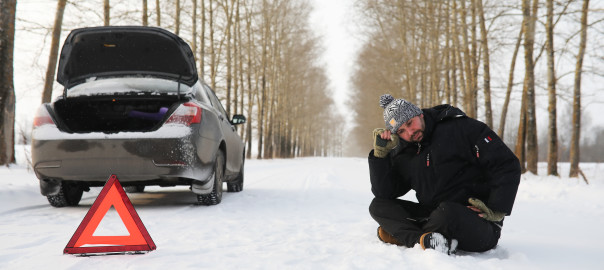
Now that it’s December, the towing experts at Towing Chicago are regularly fielding calls regarding our expert Windy City towing services. Countless vehicles get stuck or break down in the snow every year – and we thought it was important to share the essential safety protocols of this scenario with our loyal customers. Here’s what to do if you’re waiting for towing in the snow.

Read More →

Averting Automobile Heat Damage

Averting Automobile Heat Damage

Here’s Towing Chicago’s expert guide on what to never, ever leave inside a hot car, and how to avoid the damage that can come with the extreme heat generated inside automobile interiors.


Protecting the Inside of Cars

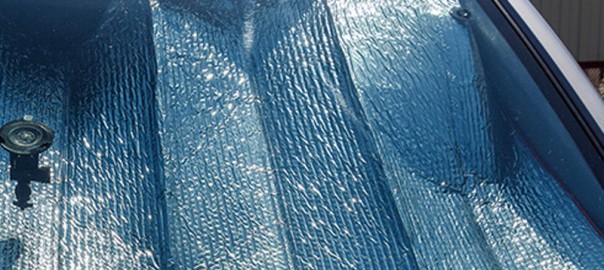
The greenhouse effect causes your dashboard and carpet to absorb sunlight, trapping heat inside your car and causing it to increase exponentially. Try parking in the shade, tinted windows, or shades for your front windows. As a general rule that should never be diverted from, never leave a pet or a child inside a hot car.


Hydration

Whether your car uses oil, transmission, power steering, or brake fluid, your car is burning fluid to keep it cool. Make sure your car consistently has fluid topped off to its manufacturer’s specifications, so check more frequently if you’re driving in hot areas. Just make sure not to take off the radiator cap when the engine is hot.


Tires

Make sure that tires are inflated to recommended pressures, as underinflated tires are more likely to blowout and overheat.


Car Paint

Make sure to park your car inside an indoor garage or area that’s covered as often as possible. Frequent washing of your car can avert the bleaching that comes with the sun, pollution, and road dirt – and waxing helps provide a protective layer over the paint.

Checking tire tread method

Checking tire tread method

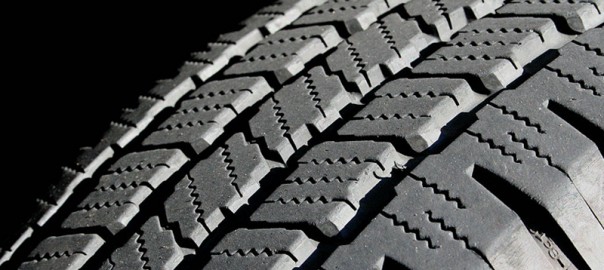
Here’s a fantastic method from the experts at Towing Chicago on how to check your tire tread using only a single penny.


The Method

  • Insert a new penny into the groove of your tire tread, with the face pointed down towards you.
  • If you still cannot see the top of Lincoln’s head, your tires are in good shape.


Do It Yourself Mechanic Techniques

Of course, you’re going to want to bring your car into an expert to get it checked out every now and then. However, there’s a few easy techniques you can utilize between visits to the mechanic to check up on your car’s status.


Lights

Check your lights out by testing low and high beams, turn signals, tail lights, dash lights, and hazard lights. Ask a gfriend to verify that your brake and reverse lights are working, or if you’re by yourself simply back on up to a wall and check out the reflection.


Oil

When the car is off and the engine is cold, remove the dipstick and wipe it clean with a rag or towel. Look at the bottom of the dipstick to find the minimum and maximum level markings. Then put the dipstick back in and pull it out. The oil should cover the stick at a point between the two marks, ideally closer to the top. If your oil is running low, top it off.

Keeping Truck Tires Efficient

Keeping Truck Tires Efficient

We understand how complex the maintenance of tires can be. The majority of truck drivers don’t keep daily tabs on the maintenance of their tires, since the haul of driving can be a distraction. It’s quite easy to pay no mind to your tires until somehow one of your treads drop out, or you pick up a bolt – and unfortunately, tires can be quite temperamental, and profit guzzling. Here’s how to avoid letting your tires become a drain on your profits.

Know when to replace and retread tires

The lowest legal depth of a tire is 4/32’ on the steer tires, and 2/32” on the rest. The average wearing rate of tires is somewhere around 1/32” for every 13-14,000 miles driven. To stay prepared, measure your tire treads, and mark down the projected date to replace them based on your calculations of what your average mileage is. This will help you avoid any future upsets.

Keep tires of the same measurements together

Keep new tires with new tires, and used tires with used tires. Keep all tires of the same diameter together. If you don’t do this, you will end up with a tire skipping the ground or scraping it because it isn’t the same size as the others. Early tire wear is never a good thing.

Listen to damaged tires

If your tire keeps getting damaged, don’t just ignore it. It can be a signal to you that you need to get your tires realigned, so understanding exactly what pattern is reoccuring will help you identify exactly what you need to do. Many tire expert websites have solution charts listing the types of damages that can occur with every type of problem.

Install directly on steering axles

Don’t just install retreads on these axles – start fresh, from scratch, and you’ll receive a much smoother ride.

Change pressure based on environment

Make sure to change your tire pressure based on the climate of your area – if you’ve been driving in a warmer area and go into a much colder one, your tire’s air will contract and suddenly your truck is driving with underinflated tires – make sure to check pressure periodically throughout your drive.

Make sure you have the appropriate inflation based on weight

The weight of the load the truck is carrying will affect how the tires operate at varying pressures. Tires that are underinflated for the weight they are bearing will accumulate damage very quickly, at an exponential rate.

Make sure that your wheels are balanced

Any unbalanced wheels will cause  serious damage to tires – after making every trip, visually inspect your wheels to see signs of any dents or damages.

Causes of Flat Tires

Causes of Flat Tires

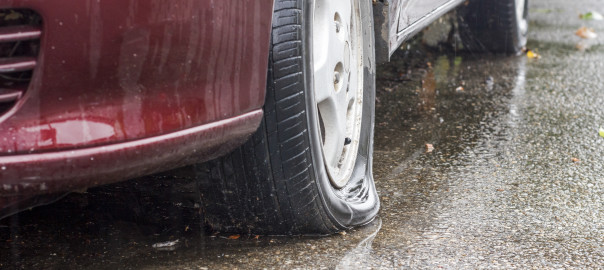
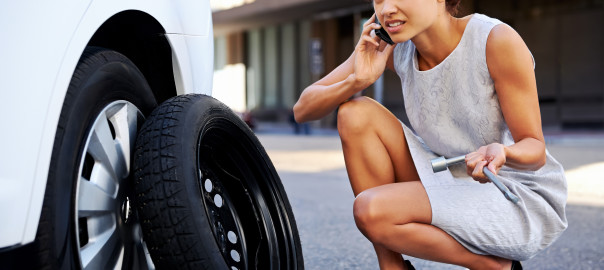
We understand how annoying flat tires can be. They simply pop up at the worst times, stranding you on the road looking for a towing service – hopefully from the experts at Chicago Towing. Sometimes, flat tires are unavoidable, however there’s many common causes that force tires to rip or pop; we’ve gathered some of these causes together, to help you better understand what causes flat tires.


Small Holes or Punctures

There’s tons of random objects and detritus on the streets, all of which has the potential to end up in contact or even attached to a car’s tire, which can lead to punctures or holes on the tire. Objects that often cause punctures are staples, screws, and nails. Usually glass cannot cause tire holes, however sometimes it can if it’s at the right angle and density, and glass can however, cause damage to tire treads. If any sharp debris gets out of the tire after it’s been embedded inside it, it will cause a slow air leak. You will be able to tell if you have this sort of leak if you inflate your tire with air, and then it’s PSI quickly drops right after. If this is the case, contact an expert like Chicago Towing.


Sidewalls

This sort of severe damage will cause tires to need to be fully replaced. Basically, sidewall damage severs the connection between the various layers on the sides of the tires that allow movement and flexibility. One of the major causes of sidewall damage on tires are curbs. Making a fast turn and agitating your tire onto the curb can damage the sidewall of the tire, which can in turn increase the chances of a sudden blow-out – incredibly dangerous phenomenon.


Expert Flat Tire Repair from Chicago Towing

While some aspects of tire damage can be remedied and repaired, amateurs wouldn’t attempt this themselves. Leave the tire repair to the experts; this is the only way that you can guarantee that the repairs are completed in an effective fashion and that your tire will continue to operate normally. If you’re in need of repair for any form of flat tire, contact the experts at Chicago Towing. They will arrive at your location in a matter of minutes, quickly repairing any sort of damage to your tires in a matter of minutes, and all at a competitive price.

Tire Maintenance Tips

Tire Maintenance Tips

Tires are one of many absolutely essential parts of a working vehicle, and we at Chicago Towing understand that they can be costly. So we want to help our customers increase their tire’s longevity, so that they can save money by not having to replace them often. Here’s our professional tips for ensuring the continued healthy maintenance of your tires.


Air Pressure Maintenance

If you check your tire pressure regularly, you can make sure they keep working properly and prevent incurring any serious or even light damage. When your tire air pressure drops, your car’s engine has to work harder to keep your wheels moving, which will eventually cause interior damage and eventually wear your tires down even faster at an exponential level since the friction increases.


Even if you don’t own an air gauge, you can simply take your car to any local auto shop to check it. It’s the best to check air pressure once your tires are cool, as it can be somewhat risky to quickly take the inflation outside of a hot tire. Tires are prone to air loss, averaging around a pound of lost air per inch about once a month. It’s important to check air pressure every few months, and always before embarking on any long car trips on the road.


Suspension Alignment

If your tires are perfectly and symmetrically aligned together, they get much less road friction, allowing your engine to run easier for every rotation of the tires. Tires often get knocked out of alignment when they hit any sort of road obstacle, or fall into a pothole. By aligning the suspension of your car, you will improve the way it drives – the toe, caster, and camber of a tire will be readjusted, rendering them properly aligned again.


Cleanliness

Even when most people pay extra attention to keeping their cars clean, they often don’t clean the tires. By cleaning off tires with soapy water or official tire cleaner, you can make the tire’s tread last longer, and reduce any chances of getting a flat tire (as you’ll notice any rips in the process) – as well as keeping your car looking pristine. It’s smart to ask your local auto shop their opinion on which cleaner to use on your car tires, as some are much stronger than others are and can actually cause damage to the rubber of the tires.


Tire Rotation

Tires normally wear down even with normal driving habits. Based on the make of the car combined with the driving technique used, they might wear down on one side more than another. We recommend ensuring the uniform wear of tires on each side by having your tires rotated. This can be done at home, or even better, by professionals who will remove, turn around, and reconnect the tire. Certain automobile manufacturers have an official recommendation for the amount of necessary rotations per year, but we generally belief in the efficacy of having a rotation for every 6000 or 8000 miles.

Signs you need new brakes

Signs you need new brakes

We all know how essential vehicles are for our everyday lives – and we all know how essential brakes are for a safely operating vehicle. By periodically  having your car checked up on by a licensed towing and vehicle maintenance company, you can ensure its lasting durability. Brakes often need replacement after some time – and the team at Chicago Towing have prepared a list of signs and signals that it’s time to replace your brakes.


Grinding or Screaming Brakes

If your brakes make a screaming or grinding noise when you slow down, you likely need brand new brake pads. It’s absolutely essential to correct this before the sound gets worse, and the brakes get even more dysfunctional. If you wait too long to do so, you can really damage the braking system and put your life in danger every time you drive.


Worn Down Brake Pads

If your brake pads are worn down, it’s time to replace your brakes. You want to be able to visibly see the brake pads of your car through the spokes of the wheels – and if the pads are less than a quarter inch thick, it’s time to replace them.


Vehicle Edging to the Side

If your vehicle is edging to one side when you press on the brakes it’s a sign that the brakes are unevenly worn down, or possibly a malfunction with the brake fluid. If you notice this disfunction, call a licensed expert to help tow and possibly repair your car.


Vibrating or Shaking Brake Pedals

If the brake pedal of your car starts to shake or vibrate when you press it with your foot, you need to get your car inspected by an expert. This sort of vibration is caused by worn down brakes, and should be corrected right away to avoid wearing the brake pads completely, which can cause even more extensive damage to the brake mechanism itself.


Towing Brake Problems

It’s safer to get your car towed, and then repaired, then to attempt driving with malfunctioning brakes. It’s always better to be cautious; so if your brakes are acting funny, contact the expert towing team at Chicago Towing right away for instant, on-the-spot service.